
-
Highlight
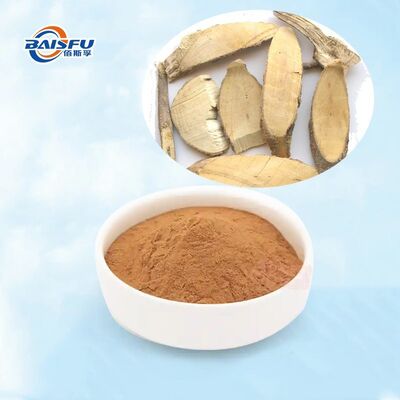
rauwolfia serpentina extract
,food grade rauwolfia serpentina extract supplier
,rauwolfia serpentina extract manufacturer China
-
Storage ConditionsCool, Dry Place, Away From Direct Sunlight
-
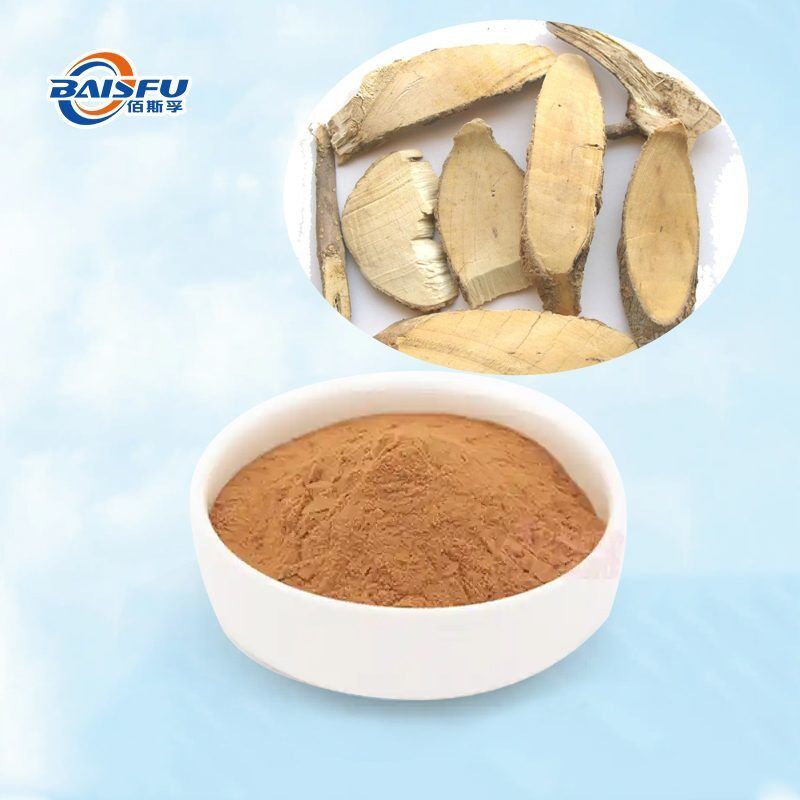
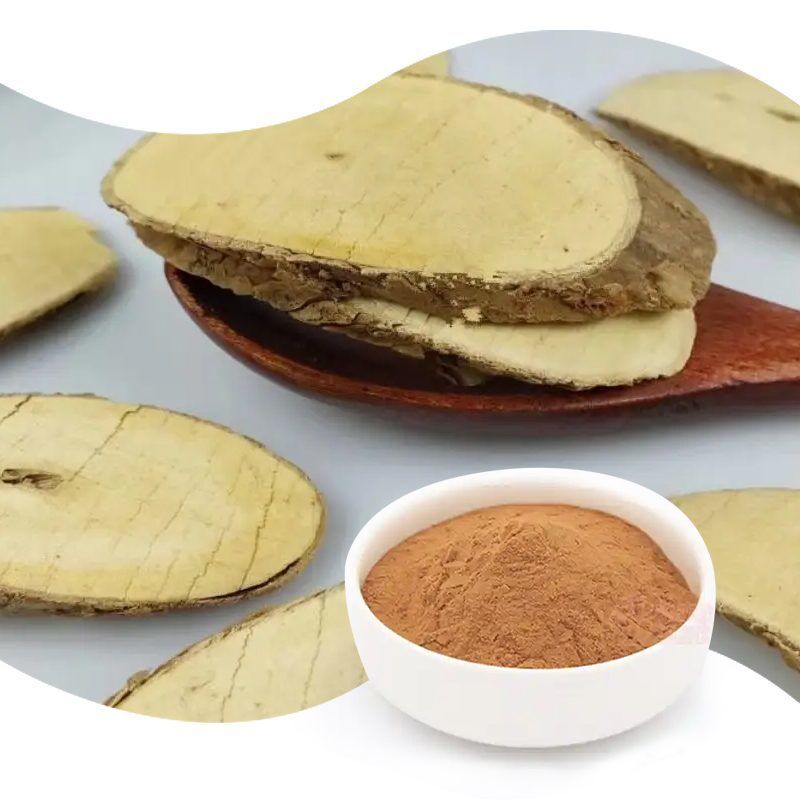
FormFine Powder
-
ColorLight Yellow To Brown
-
Particle Size80 Mesh
-
Place of OriginChina
-
Brand NameBaisfu
-
CertificationSC/KOSHER/HALAL
-
Model NumberRauwolfia Serpentina Extract Standardised
-
Minimum Order Quantity1kg
-
Packaging Details25kg fibre drum with double food grade liner
-
Delivery Time7-8 days
-
Payment TermsL/C,D/A,D/P,T/T
-
Supply Ability20,000 kilos a month
Rauwolfia Serpentina Extract
Product Overview
Rauwolfia Serpentina Extract is a botanical preparation made for manufacturers who buy on specification rather than on description. Each production lot is extracted from identified raw material, standardised to an agreed marker range, and released against a retained reference sample before it leaves the plant.
The material is supplied with a certificate of analysis that quotes measured results for the parameters that matter in your formulation, so the batch you receive can be checked against the document that travelled with it.
Specification at a Glance
The table below lists the parameters that most often decide whether a trial succeeds. Values are typical release ranges; the certificate for a specific lot quotes measured results rather than the range.
| Parameter | Typical value | Method |
|---|---|---|
| Product Name | Rauwolfia Serpentina Extract | — |
| Botanical Source | Rauwolfia Serpentina | In-house / CoA |
| Specification | Standardised botanical extract | In-house / CoA |
| Appearance | Fine powder | In-house / CoA |
| Colour | Off-white to light brown | In-house / CoA |
| Particle Size | 80 mesh | In-house / CoA |
| CAS No. | Not applicable | In-house / CoA |
| Packaging | 25 kg fibre drum, double food grade liner | — |
| Shelf Life | 24 months in unopened packaging | In-house / CoA |
Key Features
- Batch to batch consistency is controlled against a retained reference sample rather than a catalogue description.
- Marker content is verified before release, so the label declaration is supported by the certificate rather than by assumption.
- Identity, assay, moisture and microbiology are tested on every lot, not on a scheduled sample.
- Documentation pack as standard: COA, MSDS, allergen statement, non-GMO statement and heavy metal report.
- Lot numbering runs from raw material intake through to the drum that reaches your warehouse.
Applications
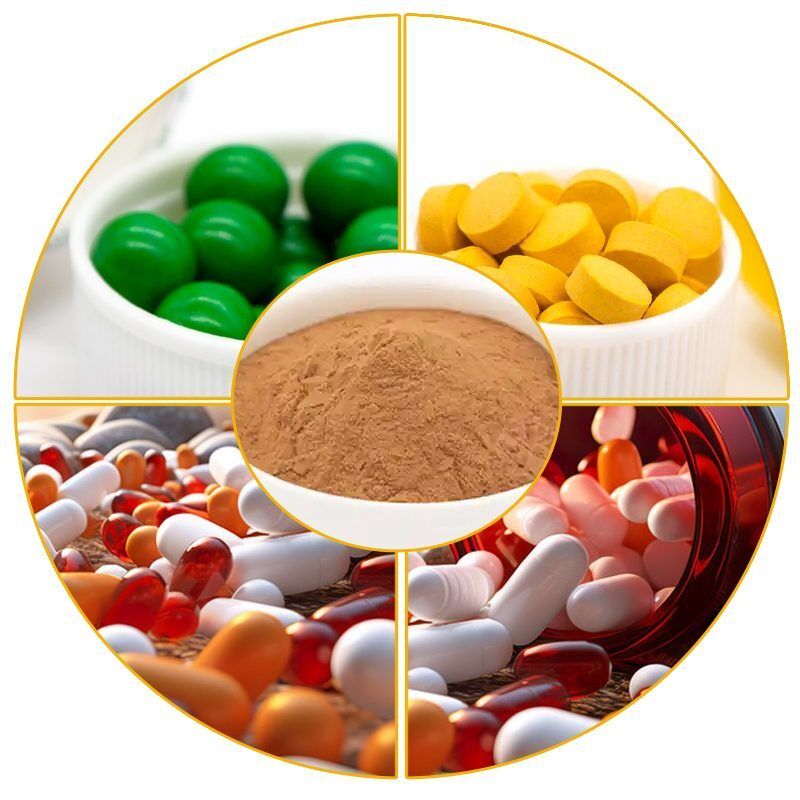
Typical use is in dietary supplements, functional foods and beverage premixes, where the extract carries a declared marker content onto the label. The constraint is rarely the assay itself but the behaviour of the powder in the blend: flow, dusting and segregation after transport all decide whether the finished unit matches the formula on paper.
Run a small trial at the intended inclusion rate in the real matrix before a production batch. Where the matrix is acidic or the process includes a heat step, confirm recovery on the finished product rather than assuming it from the input weight.
Quality and Documentation
Release testing covers appearance, marker content, loss on drying, mesh size and microbiology. Heavy metals and pesticide residue are tested on a schedule, or against the limit of the destination market when that limit is tighter. Retained samples are kept for 24 months, which is what allows a deviation to be investigated against the actual lot instead of a memory of it.
Handling and Storage
Store the unopened drum below 25 °C, away from direct sunlight and strong odours. Once opened, reseal the inner liner and use the material within the working period agreed for your process. Drums should not stand directly on a cold-room floor: condensation on the liner is the usual cause of caking in transit.
Selection Notes
Three questions usually settle the specification before price is discussed. What does the finished product declare on its label, because that sets the minimum marker content you can accept. Which process step limits recovery, because that decides whether a tighter mesh or a different carrier is worth paying for. Which market the goods ship to, because permitted documentation and residue limits differ between the EU, the United States and Asia. Answering those three before a sample is sent removes most of the correspondence that otherwise follows a first order.
Packaging and Delivery
Standard packing is 25 kg fibre drum with a double food grade liner, and 1 kg to 5 kg trial packs are available from stock. Production lead time is typically 7 to 15 working days ex-works, and mixed containers can be consolidated across categories to reach a full load.
Why Buy From Us
We manufacture and export botanical extracts for B2B customers in Europe, North America and Asia, and we ship against the documentation the destination market actually requires. Orders are handled by a named contact from quotation through to arrival, so the person who quoted the specification is the person who answers when the container is booked.
FAQ
Can we get a sample before ordering? Yes — 100 g to 500 g with its certificate of analysis, normally dispatched within three working days.
Is a custom specification possible? Yes. Marker content, mesh size and carrier can be adjusted within the production window; send the target values and we will confirm feasibility with a sample.
Which documents come with the shipment? Certificate of analysis for the lot, MSDS, allergen and non-GMO statements, and the packing list.
What is the minimum order? 1 kg for a trial, 25 kg for a standard drum. Mixed pallets can be consolidated across products.
Our products are sold all over the world, you can rest assured.

Overall Rating
Rating Snapshot
The following is the distribution of all ratingsAll Reviews